
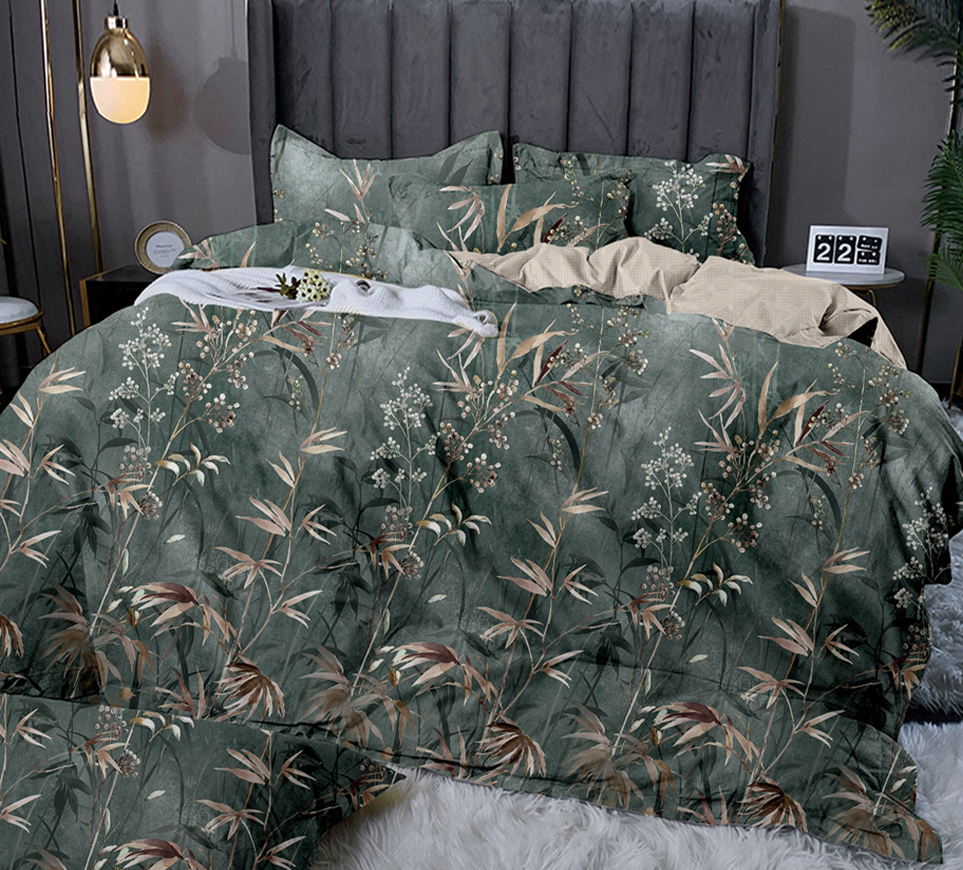
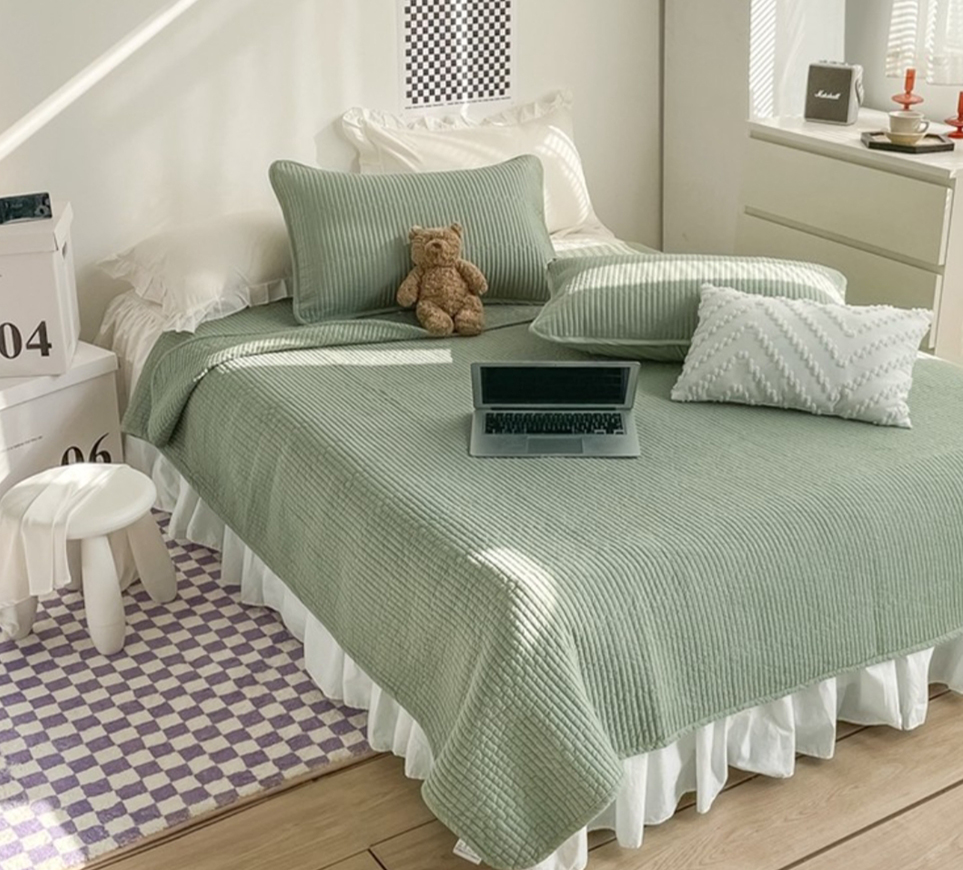
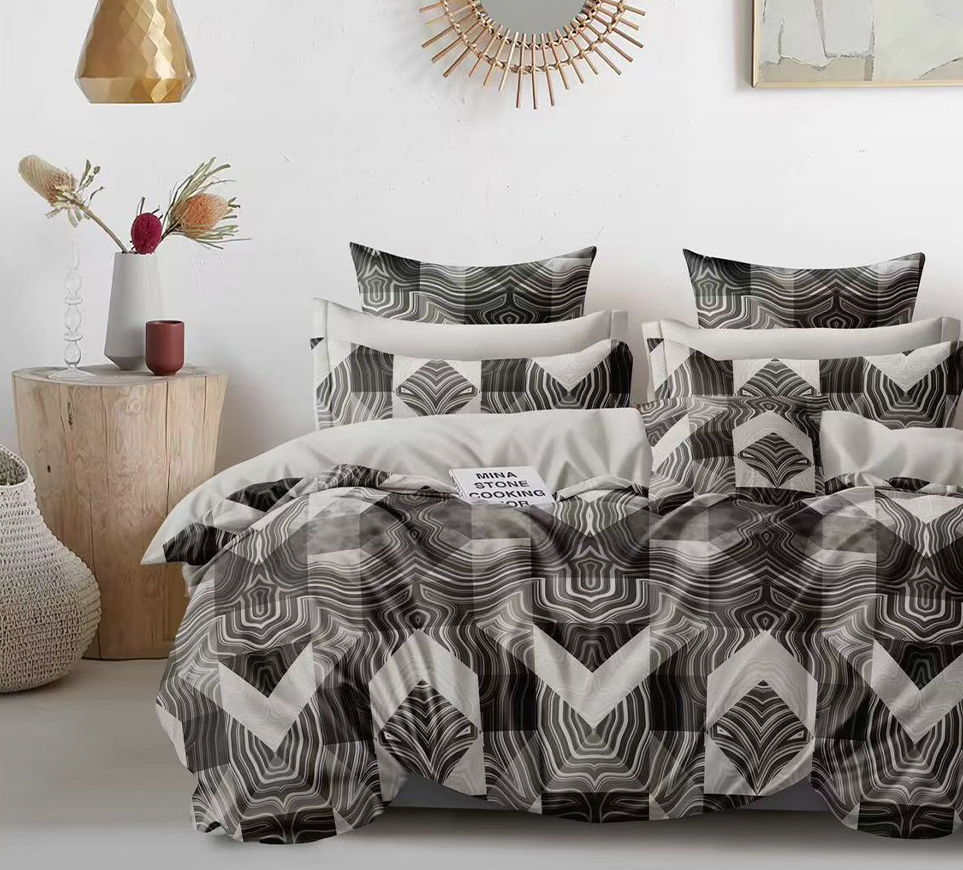
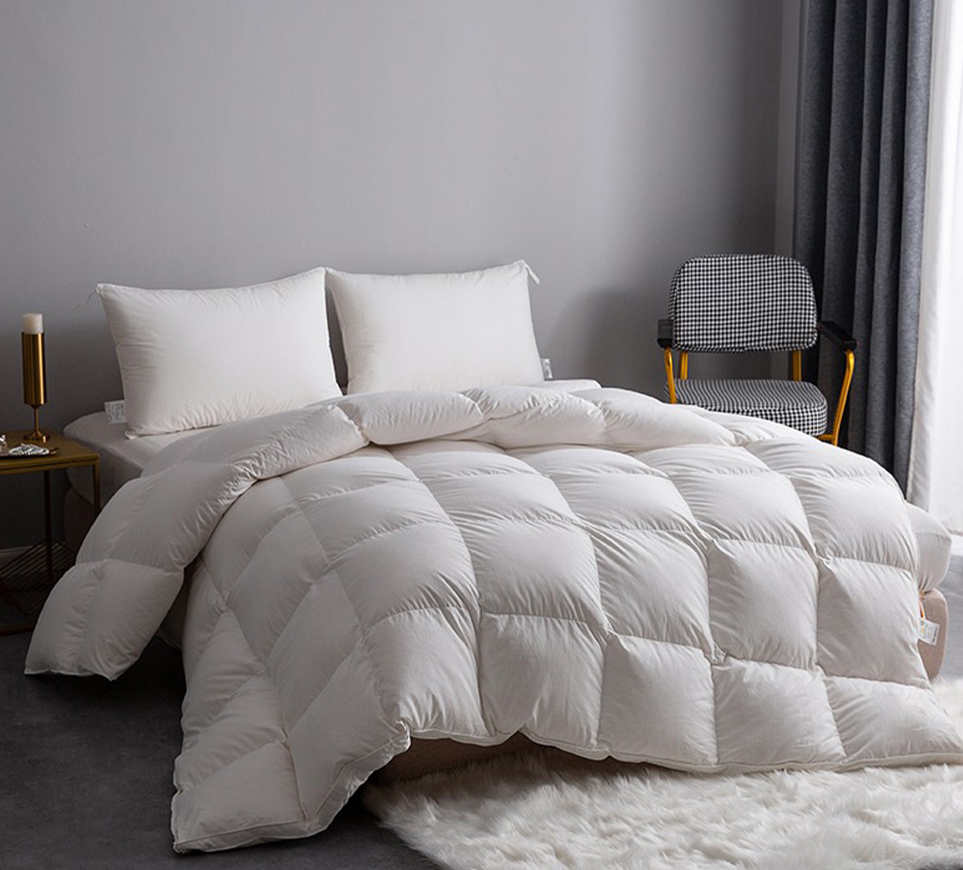
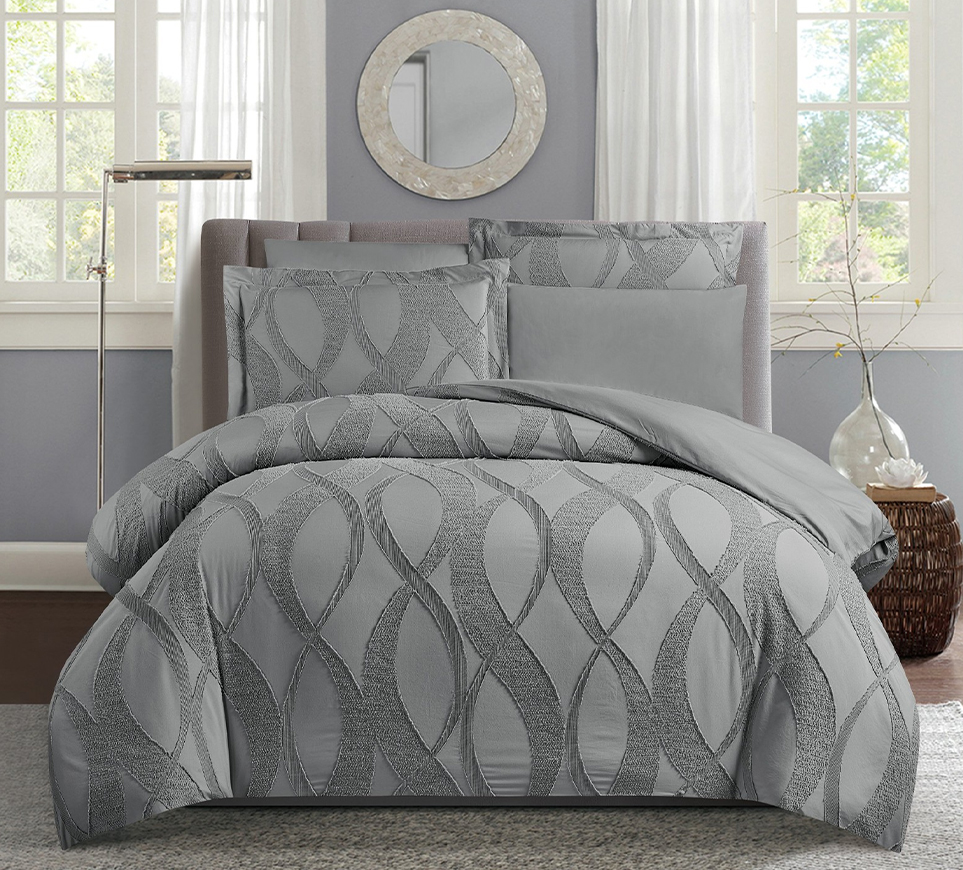
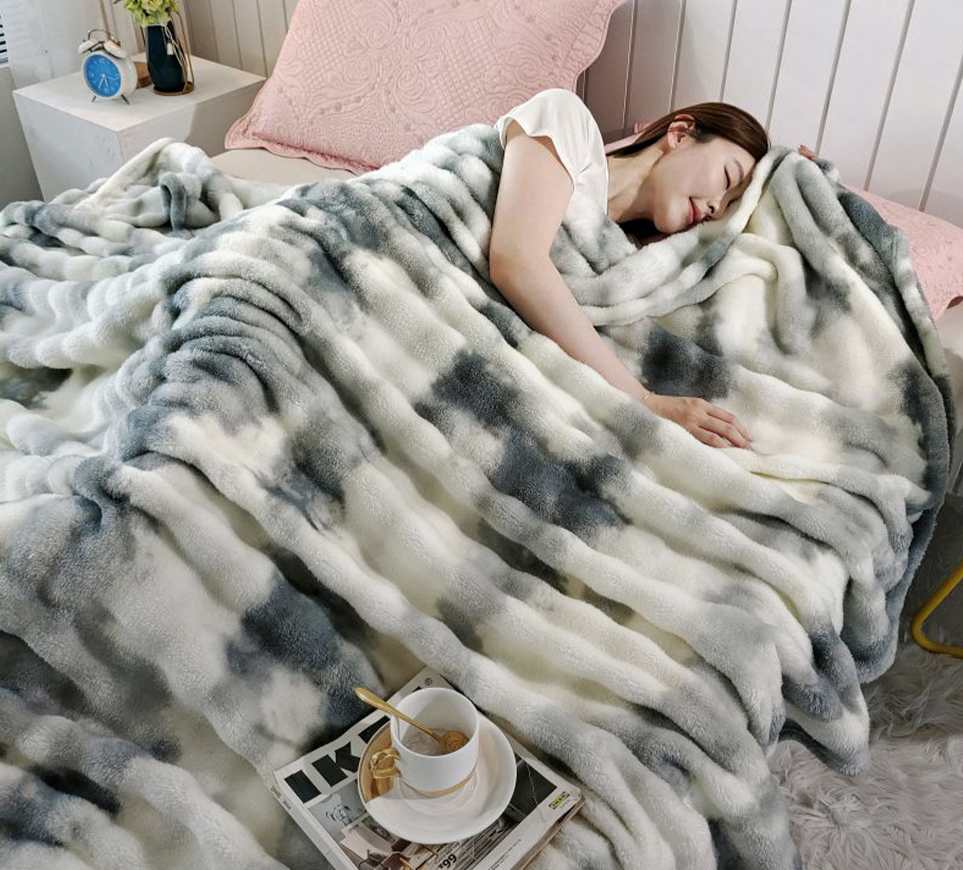
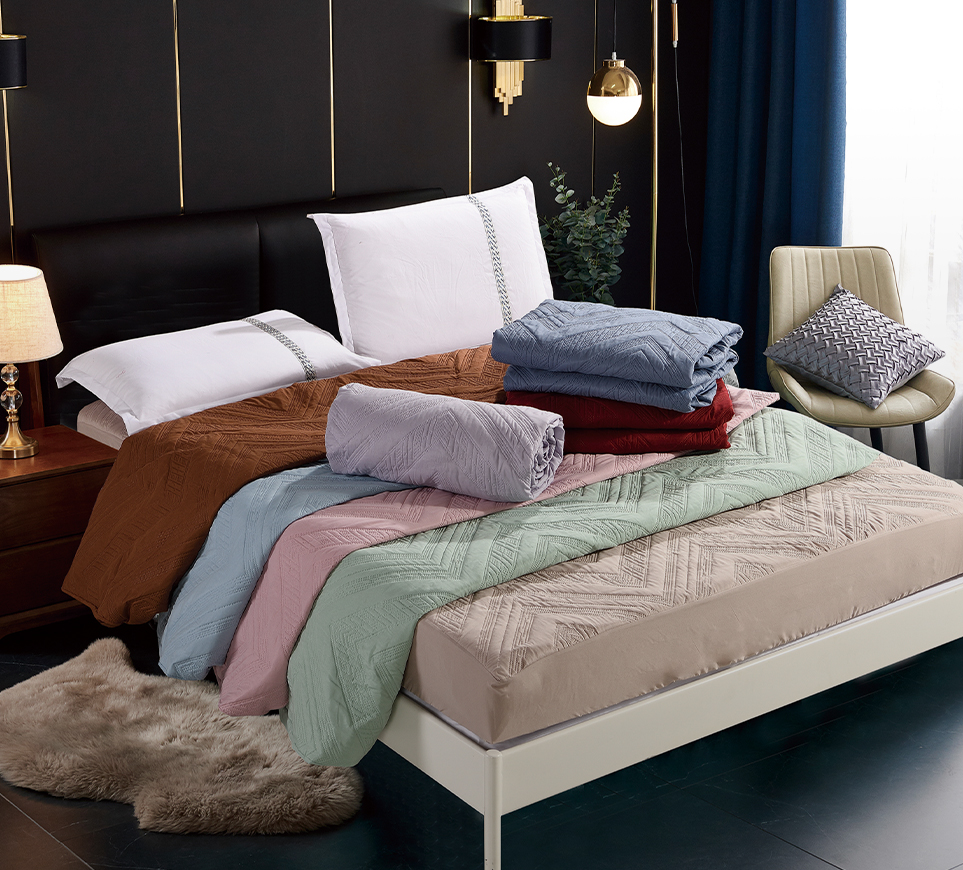
عمل خشک و آسان برای مراقبت: کوچک کردن آسان ، بدون اتو و ضد چروک ، خشک شدن سریع بعد از شستشوی دستگاه. با دوام و مقاوم در برابر محو شدن: مقاومت شدید سایش ، سرعت زیاد رنگ ، استفاده طولانی م...
جزئیات $ $ $ را مشاهده کنیدچرا ما را انتخاب کنیم؟
در سال 2008 با یک کارخانه حرفه ای 3000 متر مربع ، بیش از 50 کارمند و 5 مدیر دپارتمان تأسیس شد.

از چین ، بازاریابی به جهان.

راهنمای خرید پتو پرتاب نیمکت: مواد، اندازه ها و نکات عمده فروشی
Sep 08, 2026
پتو پرتاب نیمکت: راهنمای عملی از طراحی تا تحویل
پتوی کاناپه ای یکی از کاربردی ترین منسوجات خانگی است که می توانید داشته باشید. مبل شما را تمیز نگه می دارد، لایه ای از گرما را در یک عصر خنک به آن اضافه می کند و اتاق نشیمن را بدون طراحی مجدد کامل تازه می کند. ما بهعنوان تولیدکننده و عرضهکننده منسوجات خانگی، پتوهای کاناپهای را برای خردهفروشان، عمدهفروشان و خریداران مهماننواز در بازارهای مختلف تولید میکنیم. کارخانه ما در نانتونگ، چین، بیش از 18 سال است که پتوهای پشمی و منسوجات خانگی مرتبط می سازد. در این راهنما، ما توضیح میدهیم که چه چیزهایی در انتخاب یک پتوی کاناپه اهمیت دارد، از مواد و ابعاد گرفته تا جزئیات ساخت و سفارش عمده.
مصرف کنندگان اغلب یک پتوی مبل را بر اساس رنگ یا طرح انتخاب می کنند، اما خریداران حرفه ای می دانند که عملکرد پارچه اهمیت بیشتری دارد. بهترین پتوی نیمکتی باید در برابر پوست احساس راحتی داشته باشد، از شستشوی مکرر جان سالم به در ببرد، شکل خود را روی مبل نگه دارد و با قیمت خریدار مطابقت داشته باشد. برندهای تجارت الکترونیک به محصولی نیاز دارند که به خوبی عکاسی کند و اندازه ثابتی داشته باشد. خرده فروشان به انبار قابل اعتماد و ساخت و ساز بادوام نیاز دارند. خریداران هتل و ادارات به کالایی نیاز دارند که ظاهری قابل ارائه داشته باشد و بتوان آن را بر اساس یک برنامه تجاری تمیز کرد. هر زمینه خرید به تعادل کمی متفاوت از نرمی، وزن، دوام و طراحی نیاز دارد.
هدف این راهنما این است که به شما کمک کند تا یک تصمیم مطمئن بگیرید، خواه یک پتو برای کاناپه خود انتخاب کنید یا یک سفارش بزرگ به یک تولید کننده یا عمده فروش بدهید. ما تجربه تولید را با مثالهای کاربرد عملی ترکیب میکنیم، بنابراین میتوانید ببینید که هر تصمیم چگونه بر محصول نهایی تأثیر میگذارد.
غذای اصلی: پتوی مناسب برای پرتاب کاناپه بر اساس پارچه، ساختار، اندازه و کاربرد خاص شما تعریف می شود، نه تنها بر اساس روند یا قیمت.
انواع متداول پتوهای پرتاب نیمکت توضیح داده شده است
پتوهای کاناپه ای اشکال مختلفی دارند و هر کدام شخصیت خاص خود را دارند. برخی برای استفاده سنگین در زمستان در نظر گرفته شده اند، در حالی که برخی دیگر به اندازه کافی برای یک چرت شبانه گرم سبک هستند. دانستن دستههای اصلی تصمیمگیری در مورد خرید یا سفارش را آسانتر میکند.
پتوهای پرتابی پشمی
فلیس پلی استر اسب کاری از دسته پتوهای پرتابی است. سبک وزن، گرم، خشک شدن سریع و ارزان قیمت برای تولید در مقیاس است. فلیس همچنین دارای یک سطح نرم برس خورده است که در برابر پوست احساس خوشایندی می کند، به همین دلیل است که در بیشتر مجموعه های پتوهای کاناپه دیده می شود. برای اتاق های نشیمن روزمره، پشم گوسفندان توصیه آسانی است زیرا قابل شستشو با ماشین لباسشویی، مقاوم در برابر چین و چروک است و در طرح های چاپی بی پایان موجود است. بهترین عملکرد را هنگام استفاده در داخل خانه دارد و برای تبلیغات فصلی یک انتخاب محکم است.
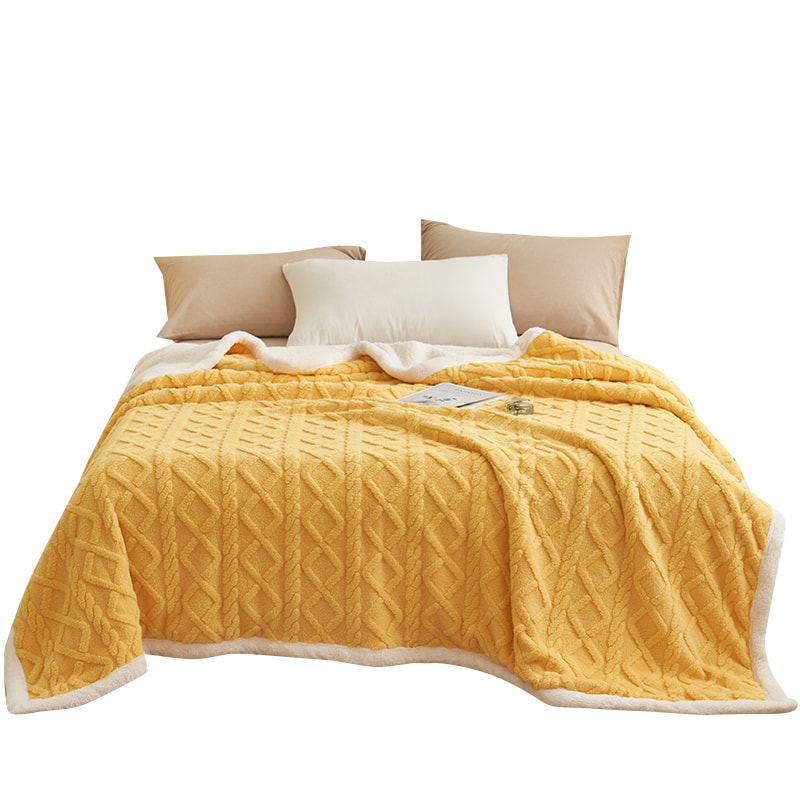 پتو نرم زمستانی برای کاناپه یا مسافرت این پرتاب پشمی پلی استر متراکم با طراحی قابل حمل مناسب برای مبل، تخت یا مسافرت، گرمای اولیه را برای پاییز و زمستان فراهم می کند. پارچه با ثبات رنگ بالا در برابر محو شدن و پر شدن مقاوم است. مشاهده محصول →
 یکی از مواردی که باید روی یک پتوی پرتابی مبل پشمی بررسی کنید، تراکم پارچه است. پشم گوسفندان با کیفیت پایین می توانند به سرعت ریزش کنند یا قرص شوند، به خصوص در صورت استفاده مداوم. یک GSM بالاتر، مانند GSM 220 و بالاتر، احساس متراکمتری به دست و حفظ شکل بهتر میدهد. مجموعه پتوهای پشمی نرم زمستانی ما برای خریدارانی طراحی شده است که به یک لایه پشمی ثابت و مخملی بدون وزن بیش از حد نیاز دارند.
پتوهای مخملی شیری و مخملی
مخمل شیر، که گاهی اوقات به عنوان پشم گوسفند شیری توصیف می شود، دارای توده ای متراکم است که نسبت به پشم گوسفند معمولی لوکس تر است. سطح کوتاه، یکنواخت و فوق العاده صاف است و آن را به پارچه ای محبوب برای پرتاب های تزئینی تبدیل می کند که هنوز گرمای واقعی را ارائه می دهد. پتوهای مخملی به خوبی عکاسی میکنند و به اتاق نشیمن ظاهری مجلل میبخشند، به همین دلیل است که برندهای خانگی آنلاین اغلب از آنها بهعنوان قطعات سبک در عکسهای محصول استفاده میکنند.
معامله اصلی با مخمل مراقبت است. می تواند گرد و غبار و موهای حیوانات خانگی را جذب کند و برای جلوگیری از مات شدن نیاز به چرخه شستشوی ملایم دارد. اگر برای خانه ای با حیوانات خانگی یا کودکان خردسال خرید می کنید، رنگ تیره تر یا پارچه مخملی طرح دار را انتخاب کنید. برای خریداران عمده، مخمل شیر گزینه ای جذاب است زیرا در هزینه پایین پلی استر سهیم است و در عین حال احساس برتری بیشتری به شما می دهد.
پتوهای پرتابی بافتنی و بافتنی
پرتاب های بافته شده از درهم آمیختن نخ ها بر روی دستگاه بافندگی ساخته می شوند و پارچه ای پایدار و اغلب بافتی تولید می کنند. پرتاب های بافته شده پنبه ای و پنبه ای قابل تنفس هستند و در ماه های گرم تر به خوبی کار می کنند. بافتنیها، از جمله بافتنیهای کلفت، ظاهری دستساز دارند که به یک مبل شخصیت میافزایند. با این حال، پتوهای بافتنی درشت می توانند از فرم خارج شوند و شستن آنها در خانه سخت تر است.
برای خریداران تجاری، پرتاب های نخی بافته شده تعادل خوبی بین راحتی طبیعی و مراقبت آسان ارائه می دهد. آنها همچنین الگوهای چاپ شده یا ژاکارد را به خوبی نگه می دارند. یک پتوی بافته شده معمولاً سطح صافتری نسبت به پشمدار دارد، بنابراین برای افرادی که میخواهند ظاهری مرتب و شیک داشته باشند، انتخابی قوی است.
پتو پرتاب لحافی
پتوهای پرتابی لحافی با دوخت دو لایه پارچه به هم و یک لایه نازک چوبی در بین آنها ساخته می شود. این ساختار به پتو احساس ساختاری می دهد و از جابجایی پر شدن جلوگیری می کند. پرتابهای لحافی اغلب شبیه نسخههای کوچکتر روکشهای تخت به نظر میرسند و برای افرادی که میخواهند پتوی تزئینی داشته باشند که گرمای متوسطی را فراهم کند، ایدهآل هستند.
در یک اتاق نشیمن، یک پرتاب لحافی را می توان به طور منظم در پشت یک کاناپه تا کرد. بهتر از مخمل لغزنده یا پشم گوسفند در جای خود باقی می ماند. از منظر تولید، لحاف کاری به ما امکان می دهد تا بدون تأثیر بر ثبات پارچه، الگوها، حاشیه ها و گلدوزی ها را اضافه کنیم.
پتوهای پرتابی
پرتاب های تافتی با سوراخ کردن نخ از طریق پارچه پشتی ایجاد می شود و حلقه های برجسته یا شمع های بریده شده بر روی سطح باقی می ماند. این یک پتوی نرم و بافتی ایجاد می کند که ضخیم و قابل توجه به نظر می رسد. پرتابهای تافتی سنگینتر از پشمهای معمولی هستند، و برای شبهای سرد زمستانی یا برای اضافه کردن وزن بصری به مبلهای خنثی، انتخاب خوبی هستند.
یک نکته این است که پتوهای پرزدار نیاز به شستشوی دقیق دارند. حلقه های نخ در صورت تماس با جواهرات یا سطوح ناهموار ممکن است گیر کنند. در کارخانه ما، ما پشتیبان را تقویت می کنیم تا محصولات تافتی شکل خود را با استفاده منظم حفظ کنند. خریدارانی که از بافت صنایع دستی قدردانی میکنند، معمولاً پرتابهای پرزدار ارزش مراقبت بیشتر را دارند.
غذای کلیدی: پشم گوسفندی کاربردی ترین انتخاب روزمره است، مخمل ارزش درک شده را افزایش می دهد، گزینه های بافته شده قابلیت تنفس را افزایش می دهند، و پرتاب های لحافی یا تافتی بافت ساختار یافته را به ارمغان می آورند.
مقایسه مواد پتو پرتاب نیمکت: آنچه واقعا مهم است
وقتی شروع به مقایسه پارچه های روتختی می کنید، اعداد داستان مفیدی را بیان می کنند. گرما اغلب اولویت اول است، اما نرمی، تنفس و طول عمر نیز مهم است. هر پارچه ای در هر رده ای برتر نیست. نمودار زیر یک مرجع بصری سریع برای مقایسه مواد محبوب در گرما و راحتی کلی ارائه می دهد. از آن به عنوان نقطه شروع استفاده کنید، سپس جدول دقیق را بررسی کنید.
در تجربه ما، خریداران تمایل دارند بدون توجه به کیفیت ساخت، روی نام پارچه تمرکز کنند. یک پتوی پشمی خوش ساخت می تواند از ترکیب پشم و ترمه ضعیف عمل کند. نمودار محدوده عملکرد معمولی را برای پارچه های با وزن متوسط و خوش ساخت نشان می دهد. امتیازات بر اساس تست تولید ما و بازخورد مشتریان از بازارهای مختلف است.
ما همچنین دریافتیم که ترجیحات شخصی نقش زیادی دارد. برخی از افراد حداکثر گرما را می خواهند، در حالی که برخی دیگر لایه ای قابل تنفس را ترجیح می دهند که باعث تعریق نشود. مقایسه مواد باید در کنار استفاده مورد نظر و روال تمیز کردن خوانده شود. هیچ پارچه کاملی برای هر پتوی کاناپه ای وجود ندارد.
خریداران حرفه ای باید از این رتبه بندی ها به عنوان ابزار غربالگری استفاده کنند، سپس با نمونه های فیزیکی تایید کنند. حس دست پارچه ذهنی است و آزمایش آزمایشگاهی نمی تواند جایگزین تست لمسی واقعی شود. با این حال، تفاوت های نسبی بین الیاف در اکثر تامین کنندگان ثابت باقی می ماند.
این نمودار عمداً ساده است، زیرا قرار است پیام اصلی را به سرعت منتقل کند: پشم گوسفند گرم و نرم است، مخمل شیر نزدیک به پشت است، و الیاف طبیعی مقداری گرما را با قابلیت تنفس عوض میکنند.
ترکیب پشم 90
پشمک پلی استر 88
شیر مخملی 82
پنبه 70
تنسل 65
فلیس در گرما و نرمی گروه را رهبری می کند، به همین دلیل یکی از رایج ترین انتخاب ها برای پتوهای پرتابی کارخانه ای است. مخمل شیری از نزدیک دنبال میشود، و یک حس مخملی متراکم را ارائه میکند که مصرفکنندگان اغلب آن را لوکس توصیف میکنند. پنبه در گرما امتیازات پایین تری دارد اما برای تنفس و احساس طبیعی دست نمره قوی کسب می کند. تنسل شبیه پنبه است اما سطح ابریشمی تر و کنترل بهتر رطوبت را به آن اضافه می کند. ترکیب پشم می تواند بیشترین گرما را در هر گرم ارائه دهد، اما نیاز به تمیز کردن دقیق دارد و ممکن است پوست حساس را تحریک کند. این توضیح می دهد که چرا بسیاری از خریداران عمده پشم گوسفند را برای استفاده روزمره از مبل ترجیح می دهند. البته گرم بودن تنها ملاک نیست. اگر پرتابی برای آب و هوای گرمتر تولید می کنید، یک پتوی پنبه ای سبک یا Tencel ممکن است عملکرد بهتری داشته باشد. اگر قفسههای خردهفروشی زمستانی را هدف قرار میدهید، پشم گوسفند و مخمل شیر شرطهای مطمئنتری هستند. نمودار میله ای نیز تفاوت های ظریف را پنهان می کند، زیرا تراکم بافت و مواد تکمیلی به اندازه نوع الیاف است. پشم گوسفندی با درجه پایین نسبت به بافتنی نخی درجه یک احساس خوشایند کمتری دارد. به همین دلیل، توصیه می کنیم قبل از تایید یک سفارش بزرگ، نمونه های پارچه را ارزیابی کنید. غذای آماده ساده است: مواد را با فصل، کاربر و قیمت مورد نظر مطابقت دهید.
| مواد | گرما | نرمی | قابلیت تنفس | ماندگاری | مراقبت |
|---|---|---|---|---|---|
| پشمک پلی استر | بالا | بالا | متوسط | بالا | شستشوی آسان با ماشین |
| شیر مخملی | بالا | بسیار بالا | متوسط | متوسط | شستشوی ملایم |
| پنبه | متوسط | متوسط | بالا | متوسط-High | شستشوی ماشینی |
| تنسل | متوسط | بالا | بالا | متوسط | شستشوی ملایم |
| ترکیب پشم | بسیار بالا | متوسط | متوسط | متوسط | خشکشویی یا شستشوی دستی |
نکته کلیدی: برای اکثر کاربردهای پتوی پرتابی مبل، پشم گوسفند و مخمل شیری پلی استر بهترین ترکیب از گرما، نرمی و مقرون به صرفه بودن را ارائه می دهند.
اندازه پتو و وزن پارچه: درست کردن اصول اولیه
اندازه یکی از فاکتورهایی است که هنگام خرید یک پتوی کاناپه نادیده گرفته می شود. پرتابی که خیلی کوچک است از روی مبل می لغزد، در حالی که پرتابی که خیلی بزرگ است ممکن است شبیه پتوی تخت باشد. اندازه استاندارد پرتاب در طول زمان تکامل یافته است، اما هنوز هم از تامین کننده ای به تامین کننده دیگر متفاوت است. در این قسمت ابعاد رایج و نحوه انتخاب وزن پارچه را توضیح می دهیم.
اندازه پتوی کلاسیک برای مبل سه نفره حدود 50 در 60 اینچ است. این سایز یک بزرگسال نشسته را پوشش می دهد و به خوبی روی دسته ها می پوشد. برای سکشنال های بزرگتر، پرتاب 60 در 72 اینچ پوشش کامل تری می دهد. برای یک صندلی عاشقانه یا یک صندلی راحتی، یک پتوی 40 در 50 اینچی ممکن است کافی باشد. انتظارات مصرف کنندگان در کشورها متفاوت است، بنابراین صادرکنندگان باید اندازه ترجیحی بازار هدف را قبل از تولید انبوه تایید کنند.
وزن پارچه معمولاً با GSM بیان می شود. پرتاب های سبک حدود 150 تا 200 GSM هستند و برای اتاق های دارای تهویه مطبوع یا عصرهای تابستان بهترین کار را دارند. پرتاب های متوسط وزن بین 200 تا 300 GSM است و برای اکثر اتاق های نشیمن مناسب است. پرتاب های سنگین وزن بالای 300 GSM احساس راحتی می کنند و برای استفاده در زمستان به بهترین وجه به بازار عرضه می شوند.
| نام اندازه | ابعاد | بهترین برای |
|---|---|---|
| پرتاب دامان / صندلی | 40*50 اینچ | صندلی تک نفره، مسافرتی، دور ویلچر |
| پرتاب استاندارد | 50*60 اینچ | مبل سه نفره، مبل نشیمن |
| پرتاب بزرگ | 60×72 اینچ | کاربران مقطعی، تختخوابی، قد بلندتر |
| تختخواب / رختخواب | 60*80 اینچ | تخت خواب، تخت کامل باریک، لایه بندی دکور |
هنگامی که از یک تولید کننده سفارش می دهید، همیشه اندازه تمام شده دقیق را به سانتی متر و همچنین اینچ درخواست کنید. پارچه پس از اولین شستشو می تواند جمع شود، بنابراین مواد پیش چروک شده و تحمل شفاف مهم هستند. یک تامین کننده خوب تایید می کند که آیا اندازه ذکر شده قبل یا بعد از شستشو است. برای سفارشات عمده فروشی، توصیه می کنیم برای جلوگیری از شکایت مشتری، تحمل اندازه به اضافه یا منهای 2 درصد را بخواهید.
وزن پارچه نه تنها بر گرما، بلکه بر کیفیت پارچه و چاپ نیز تأثیر می گذارد. پرتاب پشمی 250 GSM متراکم تر و نرم تر آویزان می شود، در حالی که پرتاب 180 GSM سبک و ارزان تر است. برای طرح های چاپی، پارچه های GSM بالاتر رنگ را بهتر جذب می کنند و نمایش را کاهش می دهند. اگر یک پتوی پریمیش کاناپه پریمیوم تهیه می کنید، از مواد بسیار سبک وزنی که ممکن است تحت اصطکاک قرار بگیرند، اجتناب کنید.
غذای اصلی: یک پرتاب استاندارد 50 در 60 اینچ با پارچه ای با وزن متوسط حدود 250 GSM ایمن ترین نقطه شروع برای اکثر برنامه های روکش مبل است.
جزئیات ساخت و ساز که یک پتوی خوب را از یک پتوی عالی جدا می کند
کیفیت پارچه واضح است، اما جزئیات ساخت مشخص میکند که یک پتوی پرتابی تا چه اندازه دوام میآورد و چقدر صیقلی به نظر میرسد. دوخت، سجاف کردن، و تکنیک های تزئینی همگی بر محصول نهایی تأثیر می گذارند. خریداران حرفه ای باید قبل از ثبت سفارش در مورد این جزئیات سوال کنند.
چاپ و رنگ
چاپ دیجیتال برای پتوهای کاناپه ای محبوب است زیرا رنگ های نامحدود و الگوهای دقیق را امکان پذیر می کند. پرتاب های پشمی چاپ شده نرم و رنگارنگ هستند، اما چاپ باید به درستی به پارچه چسبانده شود. اگر دما یا زمان چاپ کنترل نشود، ممکن است رنگ ها پس از شستشو محو شوند. چاپ سابلیمیشن برای فلیس پلی استر خوب عمل می کند زیرا رنگ بخشی از الیاف می شود.
برای پرتاب های نخی بافته شده، نوارهای رنگ شده با نخ و چک بیشتر رایج است. این نقش ها محو نمی شوند زیرا خود نخ قبل از بافتن رنگ می شود. رنگ های جامد برای ماندگاری در پانل های بزرگ به رنگرزی با کیفیت بالا نیاز دارند. تفاوت رنگ کوچک بین دسته های تولیدی می تواند به یک مشکل جدی برای سفارش مجدد تبدیل شود.
دوخت و سجاف
پایان لبه اولین جایی است که یک پتوی پرتابی تمایل به شکست دارد. یک سجاف تا شده ساده با دوخت دوسوزن بادوام و تمیز است. لبه های دوخته شده باید صاف و بدون نخ های شل و بدون بخیه باشد. برخی از پرتاب ها از حاشیه یا منگوله های تزئینی استفاده می کنند، اما این عناصر شل ممکن است گیر کنند یا ریزش کنند. اگر برای خانواده ای با فرزندان خردسال خرید می کنید، به جای حاشیه، یک پتو با لبه تمیز انتخاب کنید.
تافت و لحاف
پرتاب های تافتی به پارچه پشتی قوی برای نگه داشتن حلقه های نخ نیاز دارند. اگر قسمت پشتی ضعیف باشد، پس از استفاده مکرر، تافت ها بیرون می آیند. پرتاب های لحافی به تراکم دوخت یکنواخت نیاز دارند تا پرکننده در جای خود بماند. یک پتوی پرتابی مبل لحافی خوش ساخت نباید جیب خالی داشته باشد. برای مقایسه کیفیت، تعداد دوخت یا فاصله دوخت را از تامین کننده بخواهید.
تکمیل و بسته بندی
پایان نهایی می تواند حس یک پتو را تغییر دهد. روکش های برس خورده پشم را نرم تر می کند، اما مسواک زدن بیش از حد می تواند الیاف را ضعیف کند. روکش های فشرده یا کالندر درخشندگی نرم تری ایجاد می کنند. بسته بندی نیز برای خرده فروشی اهمیت دارد. پتویی که در یک کیسه شفاف تا شده است باید در یک اندازه مشخص بماند تا با بسته بندی استاندارد مطابقت داشته باشد. برای تجارت الکترونیک، بسته بندی خلاء هزینه حمل و نقل را کاهش می دهد، اما ممکن است توده را صاف کند. ما معمولاً بسته بندی فشرده را برای پرتاب پشم گوسفند و بسته بندی رول برای محصولات لحافی توصیه می کنیم.
در اینجا چند دستورالعمل طراحی محبوب وجود دارد که می توانید برای مجموعه پتوهای کاناپه ای در نظر بگیرید.
حداقل جامد
پشم گوسفند تک رنگ یا
پرتاب مخملی با تمیز
سجاف برای مدرن کار می کند
سبک خانه و هتل
چاپ گیاه شناسی
گل چاپ دیجیتال یا
الگوهای برگ به زندگی می افزایند
یک کاناپه خنثی بهترین برای
قفسه های خرده فروشی روشن تر
بافت تافتی
تافت های برجسته بصری ایجاد می کنند
عمق و دست ساز
احساس کنید. انتخاب قوی برای
بازاریابی زمستانی
کلاسیک لحافی
الماس یا توری سنتی
لحاف کاری تصفیه شده می دهد،
ظاهری طولانی مدت برای گاه به گاه
و فضاهای رسمی
نکته کلیدی: سجاف بادوام، پشتی ثابت، و چاپ ایمن با رنگ جزییات ساختاری هستند که از بازگشت کالا و نظرات منفی جلوگیری می کنند.
موارد استفاده و نکات انتخاب پتو برای هر تنظیمات
یک پتو پرتاب نیمکت به یک اتاق یک نفره محدود نمی شود. تنظیمات مختلف نیازمندیهای متفاوتی را ایجاد میکنند و انتخاب اشتباه ممکن است بیموقع به نظر برسد. مقایسه کنار هم در زیر نشان می دهد که چگونه نیازهای خانه و تجاری متفاوت است.
اتاق نشیمن خانه
| هتل، Airbnb، دفتر
|
اتاق نشیمن و اتاق های خانوادگی
در خانه از پتوی پرتابی کاناپه هر روز استفاده می شود. بالا کشیده می شود، پا گذاشته می شود و مرتباً شسته می شود. یک پرتاب مخملی بادوام یا شیری ایده آل است زیرا رنگ و شکل خود را حتی پس از چرخه های زیاد حفظ می کند. خانواده های دارای فرزند باید از پشم های سنگین و ظریف پرهیز کنند. صاحبان حیوانات خانگی باید پارچه هایی را انتخاب کنند که موهای زائد را جذب نکنند، مانند پشم های تنگ.
اتاق خواب ها و گوشه های مطالعه
وقتی از پرتاب در اتاق خواب یا گوشه مطالعه استفاده می شود، راحتی و گرما اهمیت بیشتری پیدا می کند. یک پرتاب بزرگتر می تواند به عنوان یک لایه اضافی روی تخت دو برابر شود. پرتاب های پنبه ای و تنسل در اینجا به خوبی کار می کنند زیرا آنها نفس می کشند و روی پوست احساس نرمی می کنند. برای یک مکان دنج برای مطالعه زمستانی، یک پرتاب بافتنی درشت یا بافتنی گرما و بافت میافزاید.
هتل ها و اجاره تعطیلات
خریداران تجاری اولویت های متفاوتی دارند. یک پتوی پرتابی مبل هتلی باید بعد از هر اقامت میهمان تمیز به نظر برسد. باید در شستشوی صنعتی در دماهای بالا بدون محو شدن یا جمع شدن دوام بیاورد. پشم گوسفند پلی استر رایج است زیرا به سرعت خشک می شود و در برابر چین و چروک مقاومت می کند. برای هتلهای بازار بالا، یک پرتاب ساده مخملی یا بافته شده با رنگ خنثی میتواند طراحی اتاق را بدون ایجاد مشکل در لباسشویی ارتقا دهد. همیشه از تامین کننده قیمت عمده و موجودی موجود را بخواهید.
برنامه های فصلی و هدیه
پتوهای نیمکتی نیز از هدایای محبوب هستند. پرتابهای پنبهای بافته شده با برچسب جعبهای برای هدایای خانهدار رایج است، در حالی که پرتابهای پشمی چاپ شده در فصول تعطیلات فروش خوبی دارند. بسته بندی هدیه هزینه را افزایش می دهد اما ارزش درک شده را افزایش می دهد. اگر عمدهفروش هستید، SKUهای جداگانهای را برای بستهبندی خود استفاده و آماده هدیه در نظر بگیرید.
غذای کلیدی: پارچه و اندازه پتوی کاناپه را با محل و چرخه تمیز کردن مطابقت دهید، زیرا رفتار لباسشویی به اندازه سبک بصری مهم است.
فلیس در مقابل مخمل در مقابل تافت: مقایسه دقیق پتو پرتاب نیمکت
پس از محدود کردن طبقه بندی پارچه، بسیاری از خریداران هنوز بین سه سبک محبوب مردد هستند: پشم گوسفند، مخمل، و پرتاب پرت. هر کدام حس دست، قیمت و مشخصات نگهداری متفاوتی دارند. جدول زیر تفاوت ها را در کنار هم آورده است.
| ویژگی | پشم گوسفند | مخملی / Milk Velvet | تافتی |
|---|---|---|---|
| گرما | بالا | بالا | بسیار بالا |
| نرمی | بالا | بسیار بالا | بالا |
| وزن | سبک تا متوسط | متوسط | سنگین |
| مراقبت Ease | آسان | متوسط | متوسط |
| بهترین فصل | تمام فصل / زمستان | پاییز / زمستان | زمستان |
| قیمت معمولی | بودجه تا اواسط | اواسط تا پریمیوم | حق بیمه |
Fleece ساده ترین محصول برای مدیریت هم برای مصرف کنندگان و هم برای برندها است. به خوبی بسته بندی می شود، به خوبی چاپ می شود و به خوبی شسته می شود. مخمل جلوه ای عالی می دهد، اما به شستشوی ملایم تر و انتخاب دقیق پارچه نیاز دارد. پرتابهای پرتابدار هم از نظر وزن و هم از نظر تاثیر بصری مهمترین هستند، اما مراقبت از آنها سختتر است و ممکن است دچار مشکل شوند.
اگر در حال راه اندازی خط تولید جدید پتوی کاناپه ای هستید، برای حجم دهی و تست بازار با پشم گوسفند شروع کنید. سپس شیر مخملی را به عنوان گزینه ای با حاشیه بالاتر برای بوتیک ها و فروشگاه های تجارت الکترونیک معرفی کنید. پرتاب های تافتی را می توان به عنوان یک مجموعه فصلی زمستانی برای مشتریانی که خواهان ظاهری دنج و دست ساز هستند، اضافه کرد. با ارائه هر سه، سطوح مختلف بودجه را بدون پیچیدهتر کردن زنجیره تامین پوشش میدهید.
غذای اصلی: از پشم گوسفند برای ارزش، از مخمل برای استایل، و تافت برای حداکثر گرما استفاده کنید تا مجموعه شما برای خریداران بیشتری جذاب باشد.
چگونه از پتوی مبل خود مراقبت کنیم تا دوام داشته باشد
اگر دستورالعمل های مراقبت اشتباه باشد، حتی بهترین پتوی پرتاب کاناپه نیز زود از بین می رود. بیشتر پرتاب ها به صورت روزانه استفاده می شوند، بنابراین گرد و غبار، خرده های غذا و موهای حیوانات خانگی را جمع می کنند. یک برچسب مراقبتی شفاف از کوچک شدن، محو شدن و پر شدن آن جلوگیری می کند. در زیر مهمترین نکات مراقبت از مواد مختلف آورده شده است.
شستشو و خشک کردن
فلیس پلی استر و مخمل شیر را معمولاً می توان در ماشین لباسشویی در آب سرد شستشو داد. از یک چرخه ملایم برای کاهش اصطکاک استفاده کنید. از نرم کننده های پارچه خودداری کنید زیرا می توانند پوششی از خود به جای بگذارند که نرمی الیاف را کاهش دهد. روی حرارت ملایم خشک کنید یا آویزان کنید تا خشک شود. حرارت زیاد پلی استر را منقبض می کند و انبوه پرتاب های مخملی را ذوب می کند. پرتاب های پنبه ای و Tencel بخشنده تر هستند، اما پنبه اگر در آب گرم شسته شود می تواند جمع شود. برای ترکیبات پشمی، همیشه از برچسب پیروی کنید و تمیز کردن خشک را ترجیح دهید.
جلوگیری از قرص زدن
پیلینگ زمانی اتفاق میافتد که الیاف شل به توپهای کوچک روی سطح گره میخورد. نخهای با کیفیت پایین بیشتر قرص میشوند، اما حتی پارچههای خوب هم وقتی روی کوسنهای مبل مالیده میشوند، میتوانند قرص شوند. پتو را قبل از شستشو از داخل بچرخانید تا سایش سطح کاهش یابد. آن را با پارچه های مشابه بشویید، هرگز با شلوار جین یا حوله ای که اصطکاک ایجاد می کند. اگر قرص ظاهر شد، از یک شانه پارچه ای به آرامی استفاده کنید، سپس پتو را دوباره بشویید.
ذخیره سازی پرتاب های فصلی
هنگامی که هوای گرمتر فرا می رسد، پتوهای اضافی را در یک کیسه پنبه ای قابل تنفس قرار دهید. کیسه های ذخیره سازی خلاء باعث صرفه جویی در فضا می شوند اما الیاف را فشرده می کنند که می تواند انبوه های مخملی و پرزدار را صاف کند. به جای اینکه محکم بغلتانید، پرتاب ها را شل تا بزنید. یک کیسه اسطوخودوس یا بلوک سدر اضافه کنید تا پروانه ها از الیاف طبیعی دور شوند.
غذای اصلی: شستشوی ملایم، خشک کردن با حرارت کم، و نگهداری تمیز، پتوی کاناپه را برای سالها نرم و قابل ارائه نگه میدارد.
پتوهای عمده فروشی: آنچه خریداران قبل از سفارش باید بدانند
اگر خردهفروش، واردکننده یا صاحب برند هستید، تهیه پتوهای کاناپهای از یک تولیدکننده با خرید کالاهای مصرفی آماده متفاوت است. شما باید ظرفیت تولید، کنترل کیفیت و گزینه های سفارشی سازی تامین کننده را تأیید کنید. این بخش مراحل اصلی ثبت سفارش انبوه موفق را توضیح می دهد.
قیمت و محدوده کیفیت هدف خود را مشخص کنید
اولین قدم تعیین یک هزینه هدف واقعی است. یک پرتاب پشم گوسفند از جنس پلی استر ممکن است فقط چند دلار در دروازه کارخانه قبل از حمل و نقل هزینه داشته باشد. پرتاب پرتغالی ممتاز با بسته بندی سفارشی هزینه قابل توجهی بیشتری خواهد داشت. این تصمیم بر هر انتخاب بعدی، از جمله وزن پارچه، پوشش لبه، و مواد برچسب تأثیر می گذارد. مقداری بودجه برای نمونه برداری و تست کیفیت نگه دارید.
با یک تولید کننده انعطاف پذیر کار کنید
شما تامین کننده ای می خواهید که بتواند ابعاد، رنگ ها و روش های بسته بندی را بر اساس بازار شما تنظیم کند. یک تولید کننده خوب منسوجات خانگی الزامات MOQ و زمان تولید را توضیح می دهد. شرکت تجارت بین المللی Nantong Noble، درخواست های سفارشی مواد، اندازه و رنگ را می پذیرد و ما 18 سال تجربه در ساخت و صادرات منسوجات خانگی داریم. کارخانه ما 3000 متر مربع و ظرفیت سالانه 3 میلیون مجموعه به ما امکان می دهد سفارشات متوسط و بزرگ را پشتیبانی کنیم. ما همچنین با قرار دادن چاپ و بسته بندی خرده فروشی کمک می کنیم.
نمونه ها را قبل از تولید کامل سفارش دهید
نمونه ها تنها راه برای بررسی احساس واقعی دست، کنتراست رنگ و اندازه نهایی هستند. پس از توافق با مشخصات، نمونه پیش تولید را سفارش دهید. پارچه را از نظر مقاومت در برابر پر شدن ارزیابی کنید و نمونه را پس از یک دوره شستشو اندازه گیری کنید. فقط به نمونه پارچه تکیه نکنید، زیرا ساختار نهایی رفتار پتو را تغییر می دهد.
درباره کنترل کیفیت بپرسید
در مورد روش های بازرسی، تحمل نقص و سیاست های جایگزینی پرس و جو کنید. یک تامین کننده مسئول دوخت، تراز چاپ و وزن پارچه را قبل از بسته بندی بررسی می کند. برای سفارشهای بزرگ، میتوانید درخواست بازرسی شخص ثالث یا گزارش تصویری قبل از ارسال کنید. ارتباط شفاف در مورد سطوح نقص قابل قبول، اختلافات را بعدا کاهش می دهد.
برنامه ریزی حمل و نقل و توزیع
پتوهای نیمکتی نسبتا سبک و قابل تراکم هستند، بنابراین هزینه حمل و نقل قابل مدیریت است. اما زمان تحویل مهم است. اگر منبع تبلیغ فصلی هستید، تأیید کنید که تولید قبل از پایان حمل و نقل به پایان می رسد. حمل و نقل هوایی سریعتر است اما هزینه آن بسیار بیشتر از حمل و نقل دریایی است. برای سفارشات تکراری، بسیاری از تامین کنندگان می توانند مواد خام را از قبل رزرو کنند تا زمان تحویل را کوتاه کنند.
نکته کلیدی: یک سفارش موفقیت آمیز پتو پرتاب کاناپه به مشخصات واضح، نمونه های قابل اعتماد و روش های کنترل کیفیت صادقانه بستگی دارد.
سوالات متداول پتو پرتاب نیمکت
بهترین متریال برای پتوی کاناپه چیست؟
فلیس پلی استر بهترین مواد همه جانبه برای استفاده روزمره است زیرا گرم، نرم، قابل شستشو در ماشین لباسشویی و مقرون به صرفه است. مخمل شیری حس لوکس تری می دهد، در حالی که پنبه و تنسل برای تنفس بهتر هستند. انتخاب بستگی به آب و هوا، روال تمیز کردن و بودجه شما دارد.
اندازه استاندارد پتوی پرتاب کاناپه چقدر است؟
رایج ترین استاندارد 50 در 60 اینچ است. یک مبل سه نفره معمولی را می پوشاند و به خوبی لبه ها را می پوشاند. سکشنالهای بزرگتر ممکن است به پرتاب 60 در 72 اینچ نیاز داشته باشند، در حالی که یک صندلی برجسته کوچک فقط به یک پتوی 40 در 50 اینچی نیاز دارد.
چگونه از ریختن پتوی مبل خود جلوگیری کنم؟
قبل از اولین استفاده، پتو را در یک چرخه ملایم با آب سرد بشویید. از نرم کننده های پارچه و خشک شدن با حرارت زیاد خودداری کنید. پارچه های پشمی با کیفیت بالا یا پارچه های محکم بافته شده را انتخاب کنید، زیرا این الیاف کمتر از پشم شل یا شمع های پلی استر درجه پایین می ریزند.
آیا می توانم از پتوی پرتابی مبل به عنوان پتو استفاده کنم؟
پرتاب بزرگ را می توان به عنوان یک لایه بستر سبک به خصوص در بهار یا تابستان استفاده کرد. برای یک تخت کامل، سایز 60 در 80 اینچ یا بزرگتر را انتخاب کنید. پرتابهای لحافی سنگینتر نیز میتوانند به عنوان یک لایه تخت تزئینی عمل کنند، اما معمولاً به تنهایی برای زمستان به اندازه کافی گرم نیستند.
آیا پتوهای پرتاب نیمکت سفارشی برای سفارشات عمده موجود است؟
بله، اکثر تولیدکنندگان منسوجات خانگی سفارشات سفارشی را برای اندازه، رنگ، مواد و بسته بندی می پذیرند. به عنوان یک تولید کننده و تامین کننده، ما به حداقل مقدار سفارش نیاز داریم و مشخصات دقیق را می خواهیم. پس از تایید نمونه، اقدام به تولید و تحویل عمده می کنیم.
چند بار باید پتوی پرتابی را که روی مبل استفاده می شود بشوییم؟
برای استفاده روزانه، هر یک یا دو هفته یکبار آن را بشویید. اگر روی مبل غذا می خورید یا حیوانات خانگی دارید، آن را بیشتر بشویید. تکان دادن سریع و تهویه هوا بین شستشو به حذف گرد و غبار و تازه نگه داشتن پتو بدون آسیب رساندن به الیاف کمک می کند.
غذای کلیدی: موفق ترین انتخاب های پتوی پرتابی مبل بر اساس عادات روزانه، آب و هوای محلی و دفعات مورد انتظار شستشو است.
منابع بیشتر برای خریداران کاناپه پرتاب پتو
ما نکات ضروری را در این راهنمای پتو پرتاب کاناپه پوشش داده ایم، اما ممکن است بخواهید قبل از تصمیم گیری برای خرید، جزئیات بیشتری را بررسی کنید. برای ادامه تحقیقات خود از منابع زیر استفاده کنید.
- انتخاب محصول پتوی پشمی ما را مشاهده کنید
- بخوانید که چگونه منسوجات خانگی می توانند گرمای بیشتری در زمستان ایجاد کنند
اگر در حال برنامهریزی سفارش عمدهفروشی هستید و برای انتخاب مواد، اندازه سفارشی یا بستهبندی به کمک نیاز دارید، با مقدار مورد نظر و توضیحات محصول خود با تیم فروش ما تماس بگیرید. ما می توانیم نمونه ها و اطلاعات کارخانه را برای پشتیبانی از فرآیند منبع یابی شما ارائه کنیم.
نکته کلیدی: منبع یابی قابل اعتماد با ارتباطات واضح شروع می شود و با نمونه برداری دقیق قبل از تولید بزرگ ادامه می یابد.
محصولات مرتبط
-
-
عمل خشک شدن سریع و مراقبت آسان از آن: ضد تفکر و بدون اتو ، خشک شدن سریع بعد از شستشوی دستگاه ، مراقبت روزانه ساده. محافظت از رنگ بادوام: مقاومت در برابر سایش زیاد و استحکام رنگ ، استفاده...
جزئیات $ $ $ را مشاهده کنید -
عمل گرمای قوی: وزن گرم گرم عملکرد عایق خوبی را برای محیط های با دمای پایین مناسب فراهم می کند. ضد چروک بادوام: سایش ساختار با چگالی بالا و مقاومت در برابر اشک ، حلق آویز توپ تغییر شکل آس...
جزئیات $ $ $ را مشاهده کنید -

عمل تنفس دوستانه پوست: فیبر پنبه طبیعی نرم و راحت است ، برای نفس مناسب و مناسب برای استفاده از رطوبت است. جذب و تعریق: جذب خوب رطوبت ، احساس دوام بدن را حفظ کنید. مراقبت آسان: شستشو و...
جزئیات $ $ $ را مشاهده کنید -
عمل ظریف تر و سازگار با پوست: بالاتر از 12868،13372 ، پارچه ظریف تر و نرم تر است ، لمس بهتر و بیشتر است. قابل تنفس: ساختار پنبه با چگالی بالا باعث افزایش جذب رطوبت و عملکرد عرق ، مناسب ب...
جزئیات $ $ $ را مشاهده کنید -
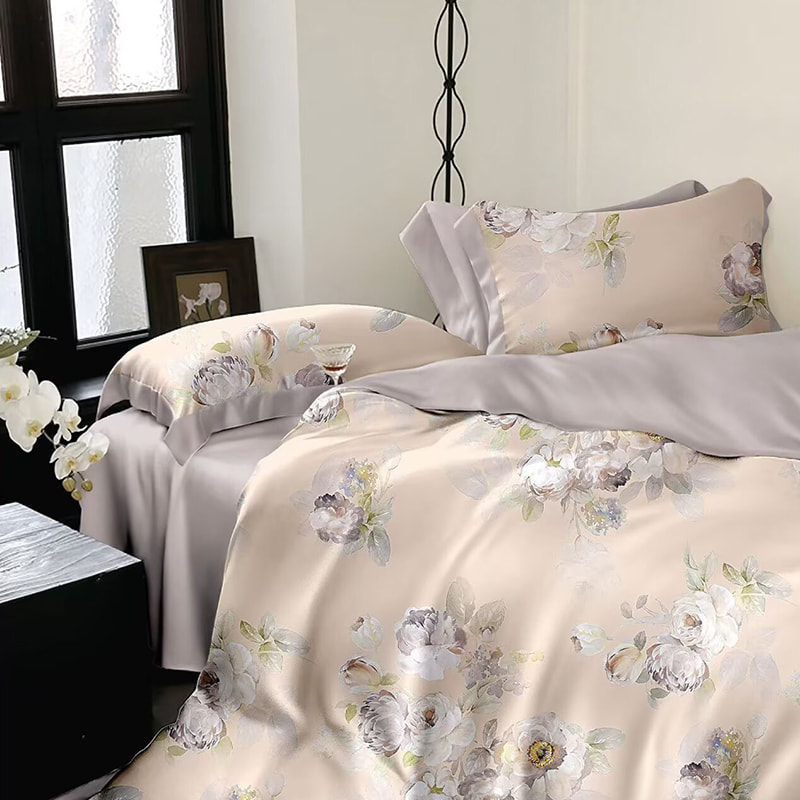
عمل میل شدید پوست: فیبر ابریشم روز نرم و صاف است ، مانند ابریشم ، لمس مناسب برای استفاده نزدیک از رطوبت. جذب و تنفس: جذب رطوبت و عملکرد عرق ، خشک و راحت ...
جزئیات $ $ $ را مشاهده کنید -
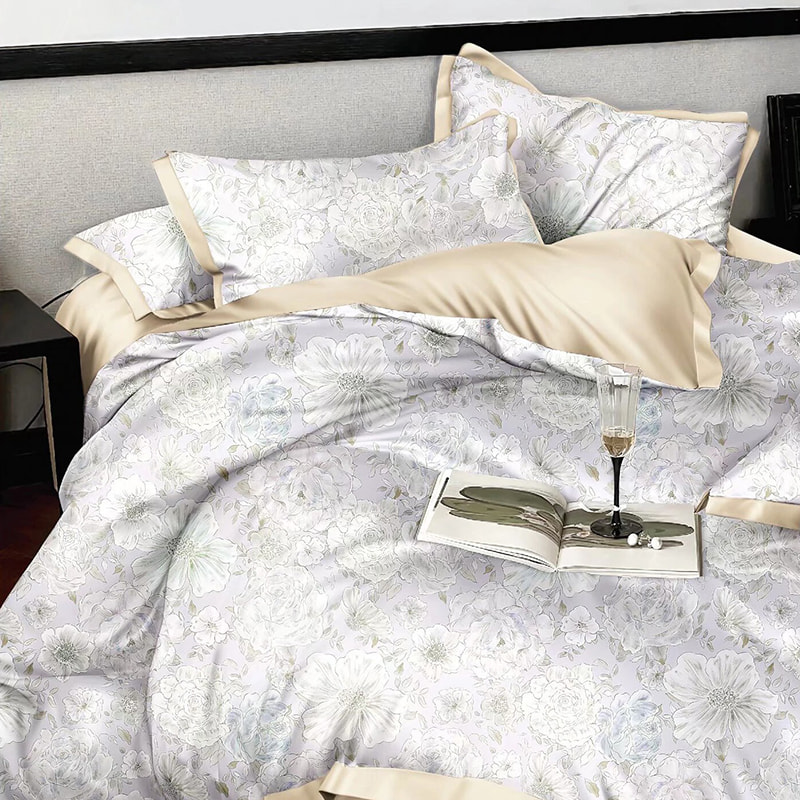
عمل ظریف تر و سازگار با پوست: در مقایسه با فیبر ابریشم دهه 50 ، نازک تر ، نرم تر ، نرم تر ، راحت تر برای استفاده دقیق و جذب بیشتر رطوبت است. تنفس: شاخه های بالاتر باعث جذب رطوبت و عملکرد...
جزئیات $ $ $ را مشاهده کنید -
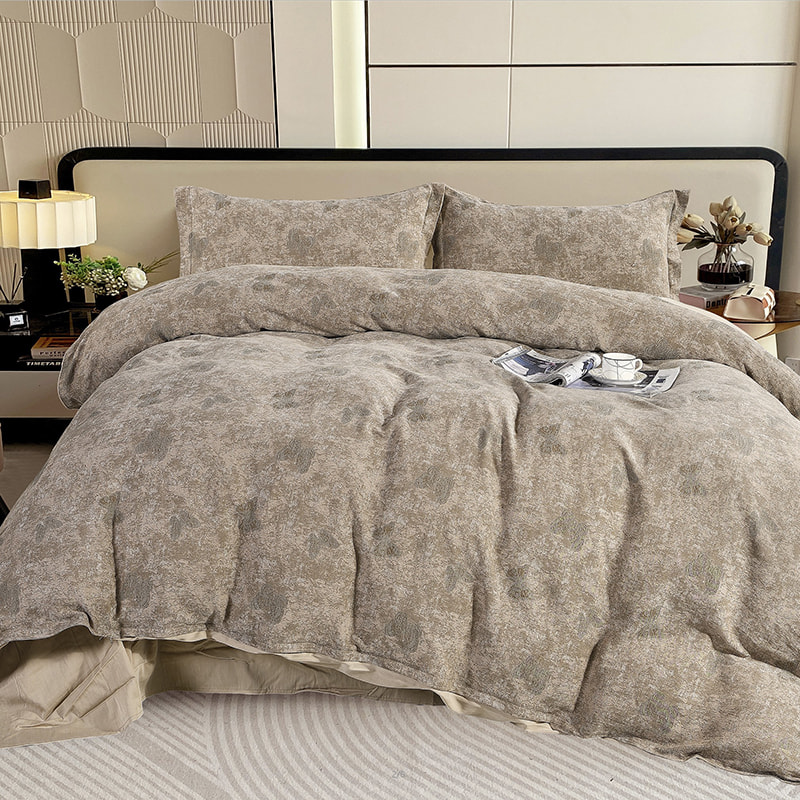
عمل Luxury Touch: فیبر نرم و صاف است و فرآیند ژاکارد یک بافت سه بعدی اضافه می کند. لمس مانند جذب رطوبت ابریشمی: عملکرد جذب رطوبت خشک و راحت نگه می دارد ، مناسب برای استفاده از ضد باکتریا...
جزئیات $ $ $ را مشاهده کنید -

عمل عملکرد الگوی خوب: چاپ دیجیتال دقت بالاتری از چاپ خالص دور ، رنگ غنی تر ، الگوی ظریف تر ، خشک سریع است. مراقبت آسان: ویژگی های فیبر پلی استر بدون تغییر ، اتو ضد چکش ، خشک شدن سریع است...
جزئیات $ $ $ را مشاهده کنید -
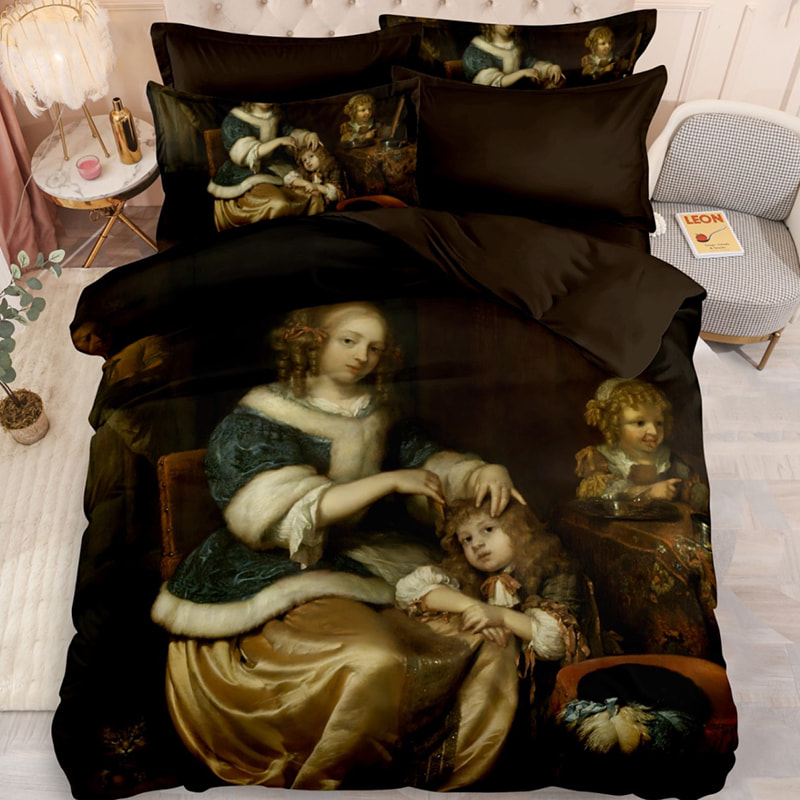
عمل عملکرد الگوی خوب: چاپ دیجیتال با دقت بیشتری از چاپ خالص گرد ، رنگ غنی تر ، ظریف تر است. ضد چروک بادوام: پارچه فیبر پلی استر 130 گرم دارای احساس عمودی ، ضد چروک و اتو رایگان ، خشک شدن...
جزئیات $ $ $ را مشاهده کنید -
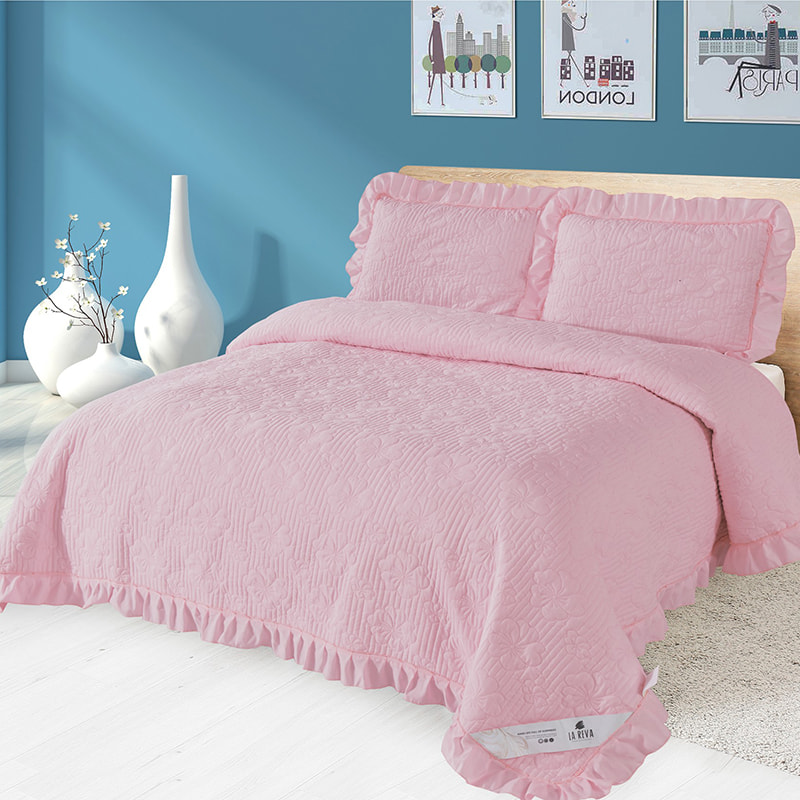
عمل نازک و سبک: فرآیند اولتراسونیک باعث ایجاد سوراخ یا نخ لحاف نمی شود و پارچه نازک و صاف است. دکوراسیون قوی: عناصر توری به یک حس ظریف و عاشقانه اضافه می کنند و زیبایی فضا را تقویت می کن...
جزئیات $ $ $ را مشاهده کنید -
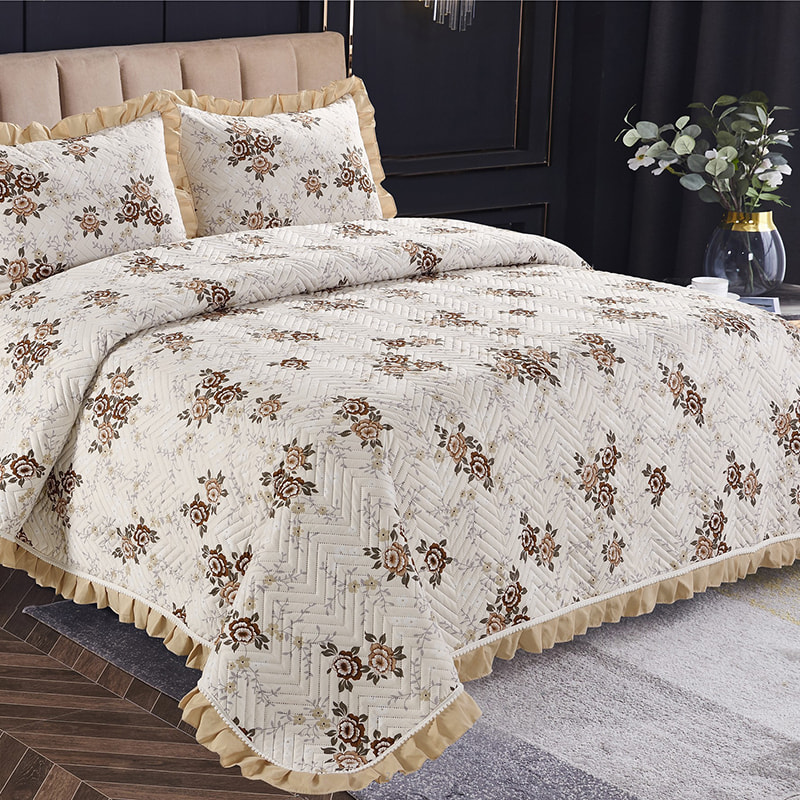
عمل نازک و سبک: فرآیند اولتراسونیک یک سوراخ سوراخ یا نخ لحاف ایجاد نمی کند و پارچه نازک و صاف است. تزئینی قوی: الگوهای چاپی حس هنر و طراحی را اضافه می کنند و زیبایی فضا را تقویت می کنند....
جزئیات $ $ $ را مشاهده کنید
